
Uiltje x Crosby Hops: The Making of a Dancing Queen
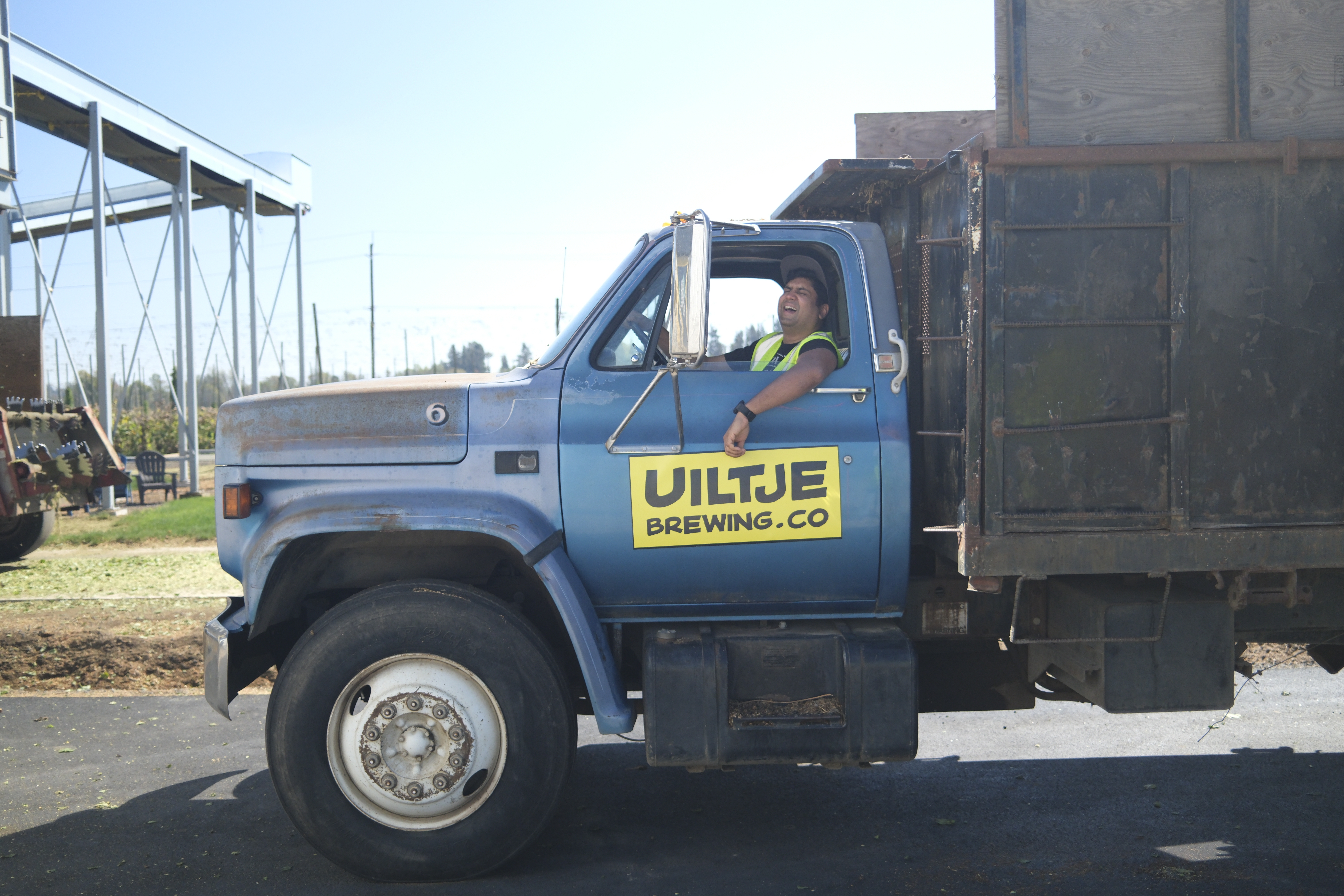
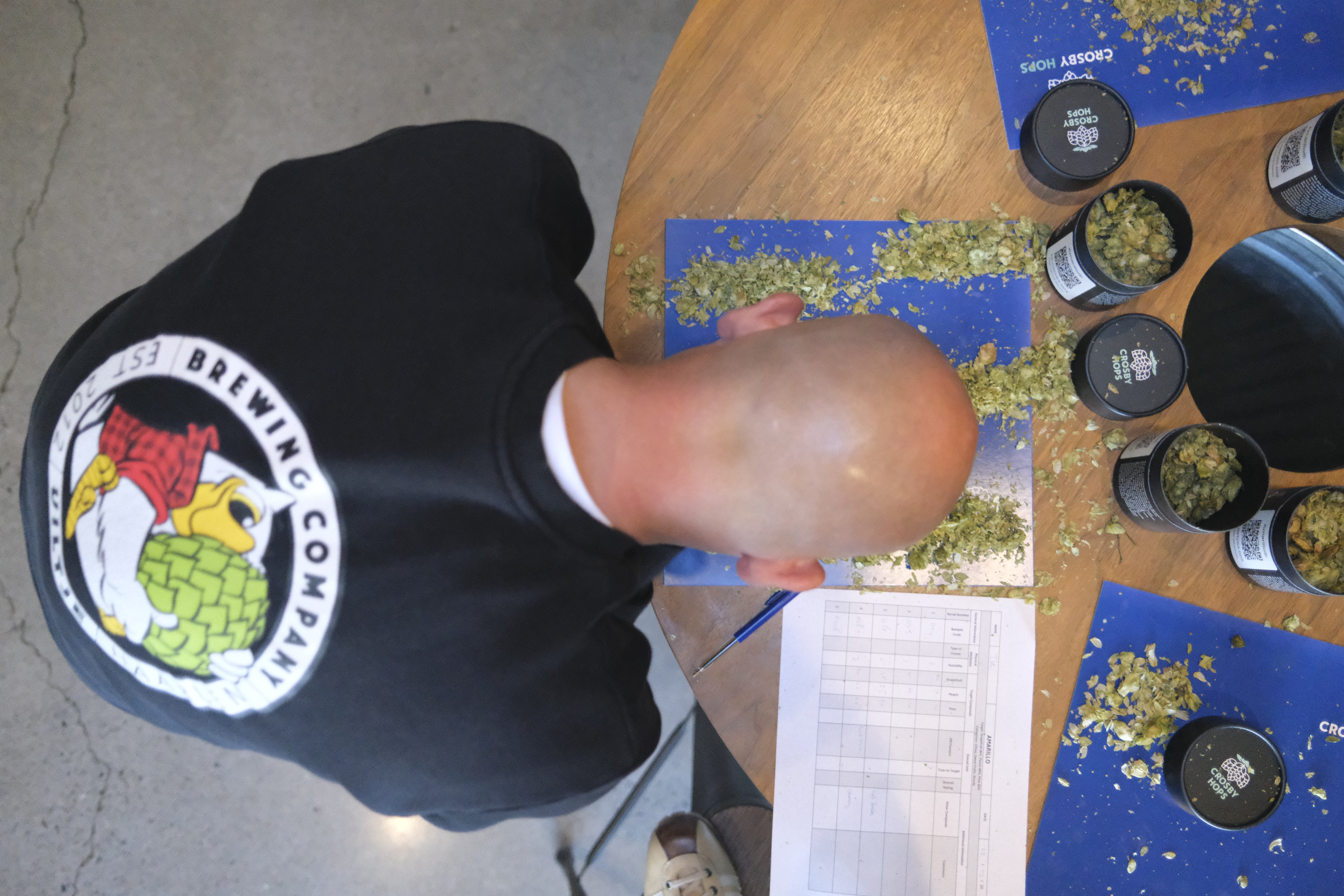
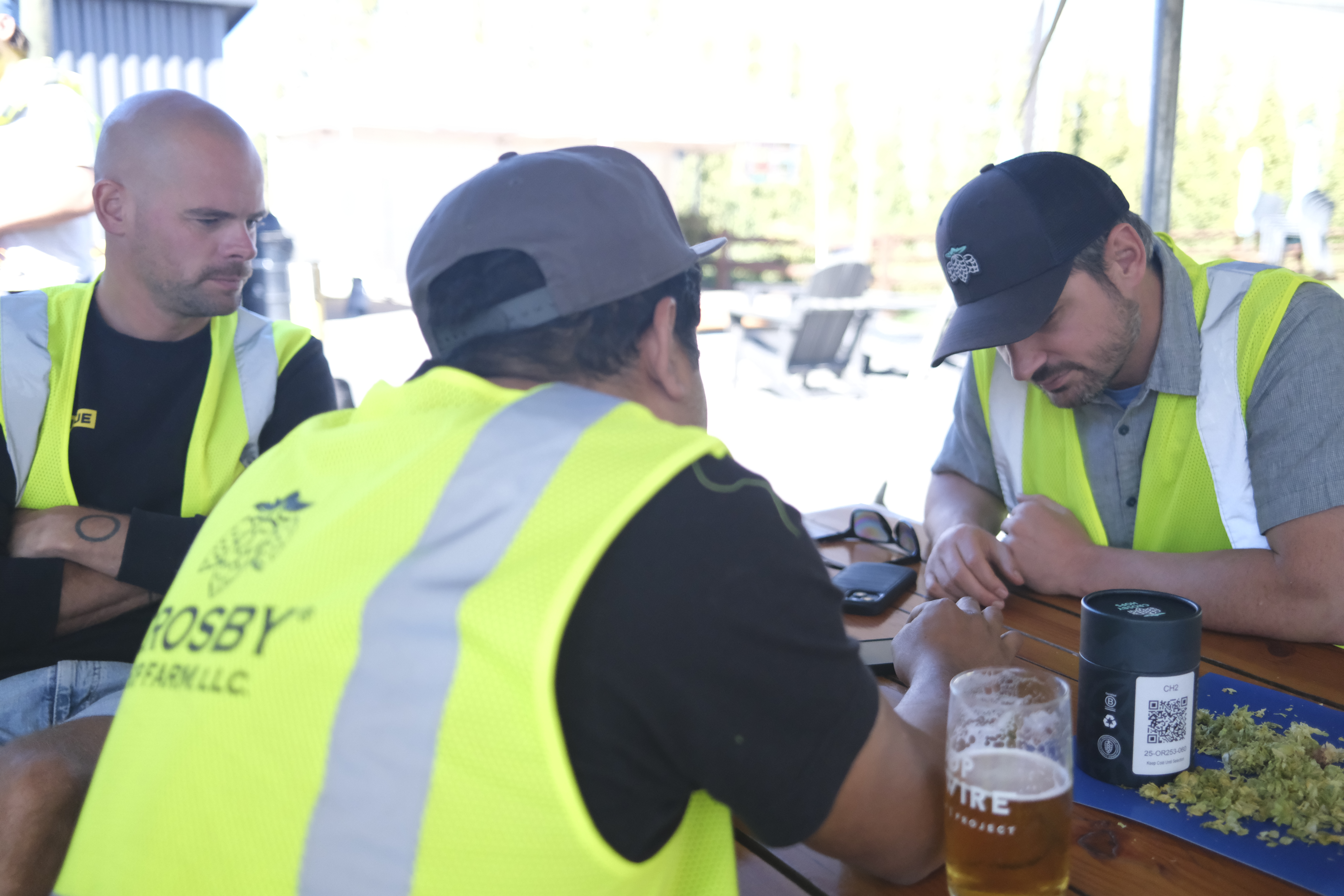
Over the the past two years, Uiltje has developed a cozy relationship with Crosby Hops. It’s not only the quality of their Oregon hops, but the size of the company, their casual friendliness and the personal approach they bring to smaller brewers. Let’s just say there’s a good vibe. It also helps that one of our finest beers in 2024 – Oregon Trail Ale – was brewed with Crosby Strata®, Amarillo® CGX® and Comet. So when we found ourselves hanging out in Portland, it was a no-brainer to drive forty minutes south to Crosby Hop Farm, catch up and sniff some of their newest hops. That was nine months ago. The hops we selected during that trip are now being featured in our latest Cold IPA: See That Girl, Watch Her Scream, Kicking The Dancing Queen. No, it’s not just a funny riff off a Swedish pop group. This is one serious beer. To truly understand the love and passion that has gone into Dancing Queen, read this piece.
PART 1: “Comet wasn’t supposed to be that sexy, but Oregon Comet was”
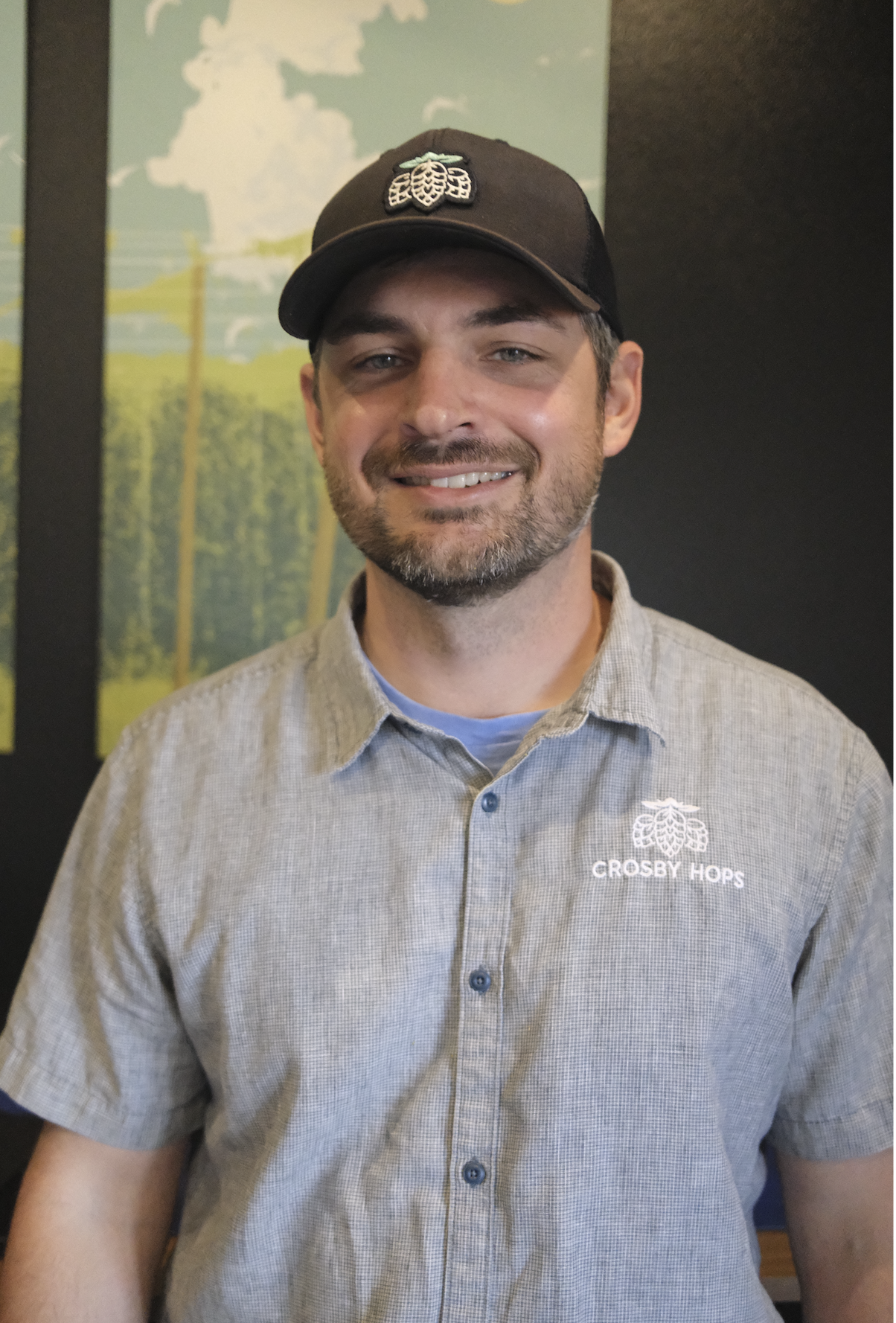
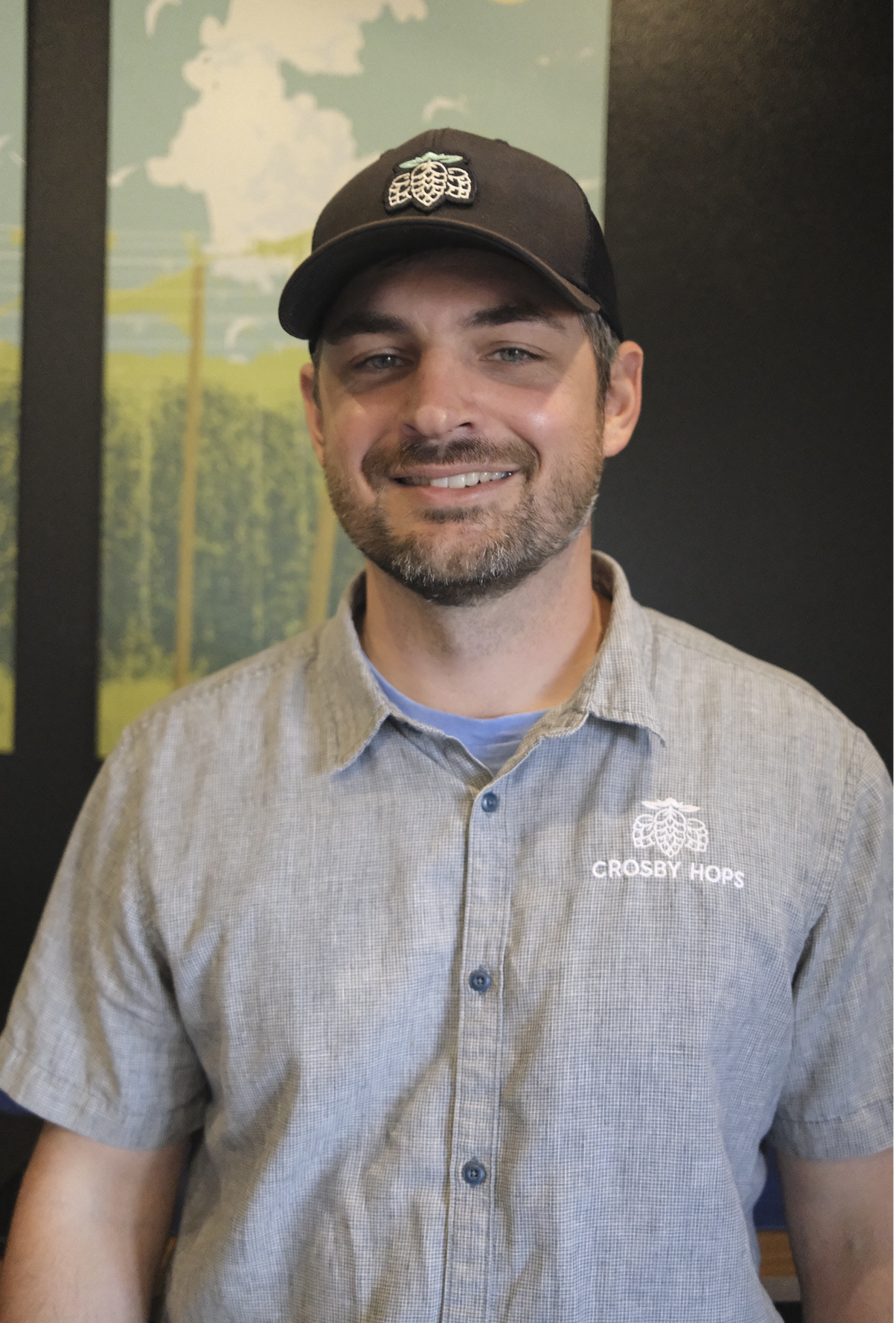
In 2012, Blake Crosby became CEO of Crosby Hops, the fifth generation Crosby to hold the position. He has spent the last 13 years transforming the family farm into a fully integrated grower, producer and supplier, and pioneering programs like the TopWire Hop Project and Estate Grown that appeal to small and large brewers alike. During our recent visit, we spent hours with him talking shop, hops and what the beer industry can learn from wine. This is a conversation between Uiltje head brewer Aditya ‘Paddi’ Parupudi and Blake.
PADDI: If you haven’t noticed by now, we are on a bit of a mission to understand the nature of Oregon hops to the core. As a fifth-generation Oregon farmer, you can help us figure that out. But let’s start with Crosby – what makes your approach to hops different from more established industry players?
BLAKE: We’re a relatively new entry. We’re telling a different story. I love you guys because you’re not only curious and listening, but you’re also actually engaging with these hops. You see and feel and smell the differences.
PADDI: It’s not only us, a certain part of our fanbase is really into it as well. When we tell the terroir story, they are like, ‘Oh, really, terroir in hops?’ People really relate to it. So how would you explain Oregon terroir?
BLAKE [laughing]: I’ve never been put on the spot with terroir before, but obviously it matters. That’s something we’ve been learning about over the last five—actually seven—years. We stumbled into it when we brought back Comet, a 1970s variety that had been discarded because it wasn’t high enough alpha to be competitive. Then craft brewers rediscovered it. Originally, some growers in Yakima [Valley] started growing it. I caught wind of that and thought, We should try that down here. We didn’t have access to Citra® at the time, and Comet was supposedly similar. So we planted Comet—about ten years ago now. That was our “aha” moment. When we harvested that first year, the aromas in the picker, kiln and baling room were incredible. Even the seasonal staff came up to me asking, ‘What the hell is this?’ I said, ‘It’s Comet.’ It wasn’t supposed to be that sexy—it’s an old variety. That was the first time I realized there was something here. We kept getting closer to brewers around the selection table. We bring in Yakima [Valley] hops too—amazing stuff, obviously. It’s the biggest region. But we’re learning there’s a real niche, maybe even beyond a niche, for Oregon varietals. We’re seeing it now with our Amarillo®, Cascade and of course Comet. This year, we really dug into Oregon Azacca® for the first time and thought, ‘Oh wow, that’s what Azacca® is supposed to smell like.’ Now the question is: why? The regions are very different. Oregon is temperate, with lots of precipitation and cooler temperatures. Some say that’s better for delicate aromatics. Yakima is arid, desert-like—great for large-scale production.
PADDI: Over the years—this year as well—we’ve noticed Oregon hops are nuanced and subtle. In Yakima, the hops tend to punch you in the face. That probably has to do with the hops there being more stressed. So they produce more lupulin to attract pollinators. They’re forced to because of the harsh conditions—low water, low precipitation. The point is that Amarillo® from Oregon is very different from Amarillo® elsewhere. So when you just say Amarillo® as one variety, it’s almost misleading.
BLAKE: We introduced a program we call Estate Grown to differentiate. Estate Grown is a common term in the Oregon wine industry—wine drinkers can actually tell the difference between the different microclimates. Hops have that too, it’s just no one shines a light on it. With Christine’s [Clair; VP of Marketing and Communications] background in wine, we thought: Let’s do what Oregon wine did for this region and apply it to hops. We started with Estate Grown Comet. We’re now using the moniker Estate Grown for a lot of our hops. So it’s not just Amarillo® — it’s Crosby Estate Grown Amarillo®. It becomes its own sub-brand. Some competitors focus on consistency and being true to type. We want to show the differences. Brewers are interested in that. Every year is a new discovery. Chasing consistency isn’t that fun when it comes to plant expression.
PADDI: But for a lot of brewers chasing consistency is a drive in and of itself.
BLAKE: That’s the problem with beer. You’re always trying to make the same thing over and over again. With wine, you can say, ‘This year wasn’t great—sorry.’
PADDI: In brewing school, they teach you to reduce variation. Whether it’s malt or hops, we try to fix the variation. But wine embraces it. We can’t say, ‘This year’s Citra® wasn’t great, so the IPA isn’t as good.’
BLAKE: Estate Grown embraces that.
PADDI: Are you planning to revive more public hop varieties like Comet in Oregon?
BLAKE: A little bit. We’re likely introducing Thora [formerly HQG4] into our Estate Grown program. After two years, it’s getting great feedback. Ours is very different from the trial growers in Washington and Idaho. We want to brand it differently.
PADDI: How do you educate the market about such nuances?
BLAKE: It’s about pride, but also education. You want people to realize it’s the best, but also seed the idea. The market is ready for that education—especially in the U.S. Europe has some catching up to do. But it’s time to tell consumers: don’t just think Citra®. Think about what you’re tasting in the beer.
PADDI: But then you’re getting into branding. How much can you say before people stop listening? You need to simplify it at the top and let the geeks figure it out.
BLAKE: That’s where stories come in—how we came here and what we’re working toward.
PADDI: A quick pivot to cone color, because some of the hops we’ve seen on your farm are brown and even pale.
BLAKE: The pale cone is actually the variety itself. Some brewers say it looks cool.
PADDI: There was actually a study done that won the Ludwig Narziß Award for Brewing Science at the European Brewery Convention (EBC) in Lille, France. It showed no correlation between cone color and aromatics. They did a huge matrix of samples and brews—even the samples with the brownest cones produced the best beers. So the message was: don’t let the color fool you.
BLAKE: Most of our craft customers don’t even mention cone color unless it’s coffee brown. It’s all about aroma and impact.
PADDI: How do you manage hop selection across large acreage? Say you have 100 acres of a certain hop — how do you know when to harvest? I know you go and smell the hops, but how does the team decide?
BLAKE: Over the years, we’ve dialed in pick windows based on feedback around the selection table. People have different preferences, but we’ve learned that certain windows hold steady year to year—especially in the Willamette Valley, where day length is consistent. We also use lab analysis and sensory analysis.
PADDI: We also do some of our own survivable compound analysis. You?
BLAKE: We haven’t done that internally yet. Yakima Chief does it a lot. It’s interesting, but to do it right requires a big lab setup. It is very labor-intensive.
PADDI: Have you zeroed in on whether your terroir is consistent across all 800 acres?
BLAKE: We haven’t.
PADDI: Do you do soil analysis for each?
BLAKE: Not yet. That’s the next level. Right now, it’s more tribal knowledge than scientific. But tribal knowledge matches sensory feedback. Correlating those two variables is how we do it currently. Of course, we use regular soil analysis for nutrition, pH, etc. Those are all data points. We have lots of different soil types—silty, loamy, clay. They all have funky names I don’t remember. We even have some sandy soil on one farm near the river.
PADDI: Do you see differences in aromatics from specific blocks?
BLAKE: Certain brewers tend to gravitate toward specific blocks—even if they don’t know it. We see trends. For example, a brewer might consistently select Amarillo® from the same block without knowing it. We don’t tell them where it’s grown—they just pick what they like. And it turns out they always pick that block. But all breweries are different. It’s not like one block always grows the best Amarillo®—it’s about what works for that brewery.
PADDI: How do brewers identify preferred hop sources?
BLAKE: That’s the whole game—figuring that out. It’s about diversity. Our geography spans across 15 kilometers. Not all varieties are spread across all geographies, but many are. We grow Cascade here and way over there. Strata® here and way up there.
PADDI: We like that game, actually. Over the years we’ve collected a data matrix of what we liked. Even without visiting farms, we knew which ones we preferred. When we did our first selection, we ended up picking from those same farms. We called in every hop plot available, smelled every single one, and rated them on 50–60 parameters. Built big forms, distilled the data, and found we liked hops from specific farms, regardless of supplier.
BLAKE: All data points, there are so many variables. It’s interesting to dig into.
PART 2: “Access builds connection, and connection matters”
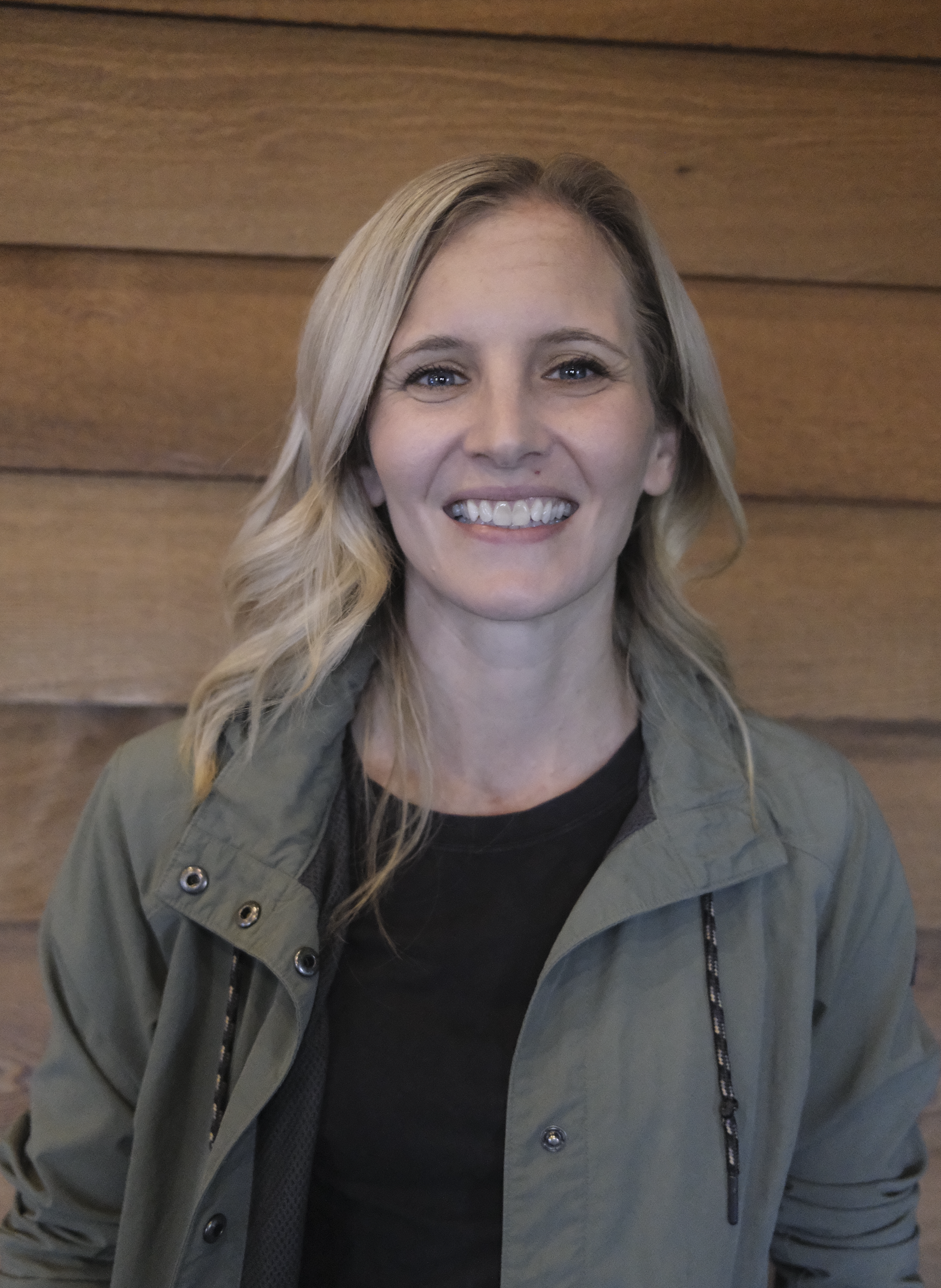
Christine has lived in the Willamette Valley her whole life, a 100-mile-long stretch of some of America’s most fertile soil. An hour west you have the Pacific, two hours east the Cascades, beyond that the high desert. It is a lush, green region where the hillsides are draped in grapevines and the valley floor filled with high-quality aroma hops. So she’s the right person to talk to when looking to decode Oregon’s unique terroir. This is a conversation between Uiltje creative lead John Weich and Christine.
JOHN: Last year your hop harvest blew our minds. The hops Uiltje brewers selected here were among our favorites; we even tried to slip a box of Comet in our luggage to brew immediately back in Haarlem, but with the prospect of facing US customs agents we chickened out in the end. Eventually, we did brew an incredible beer - Oregon Trail Ale - but this is just a long-winded way to ask, What’s the deal with Oregon hops?
CHRISTINE: Oregon is second to Yakima in acreage, but that’s okay because our focus is exclusively on high-quality aroma hops. Oregon’s hop farms are smaller, community-driven and often operate outside traditional dealer networks. Crosby has taken that alternate path to market, prioritizing sustainability and future-oriented crop methods, especially aroma and flavor development for craft beer.
JOHN: The hottest topic at this year’s hop harvest: the wild swings in the craft beer industry?
CHRISTINE: After a decade of explosive growth, COVID disrupted things. There are generational shifts taking place alongside lower discretionary income. Still, about 50% of brands are growing. There’s a bit of a shakeout, but that shakeout is also pushing innovation. The best brands are still able to find their audiences. People still enjoy beer, but there’s more competition from other beverages and even temperance movements.
JOHN: That’s another hot topic this year—how every brewery needs to double down on non-alcoholic beer to win over Gen Z.
CHRISTINE: We support the movement. From a sales perspective, non-alcoholic beer uses just as many hops as alcoholic beer does. So non-alcoholic expands the use cases and occasions for beer.
JOHN: Any other hop uses you see beyond beer?
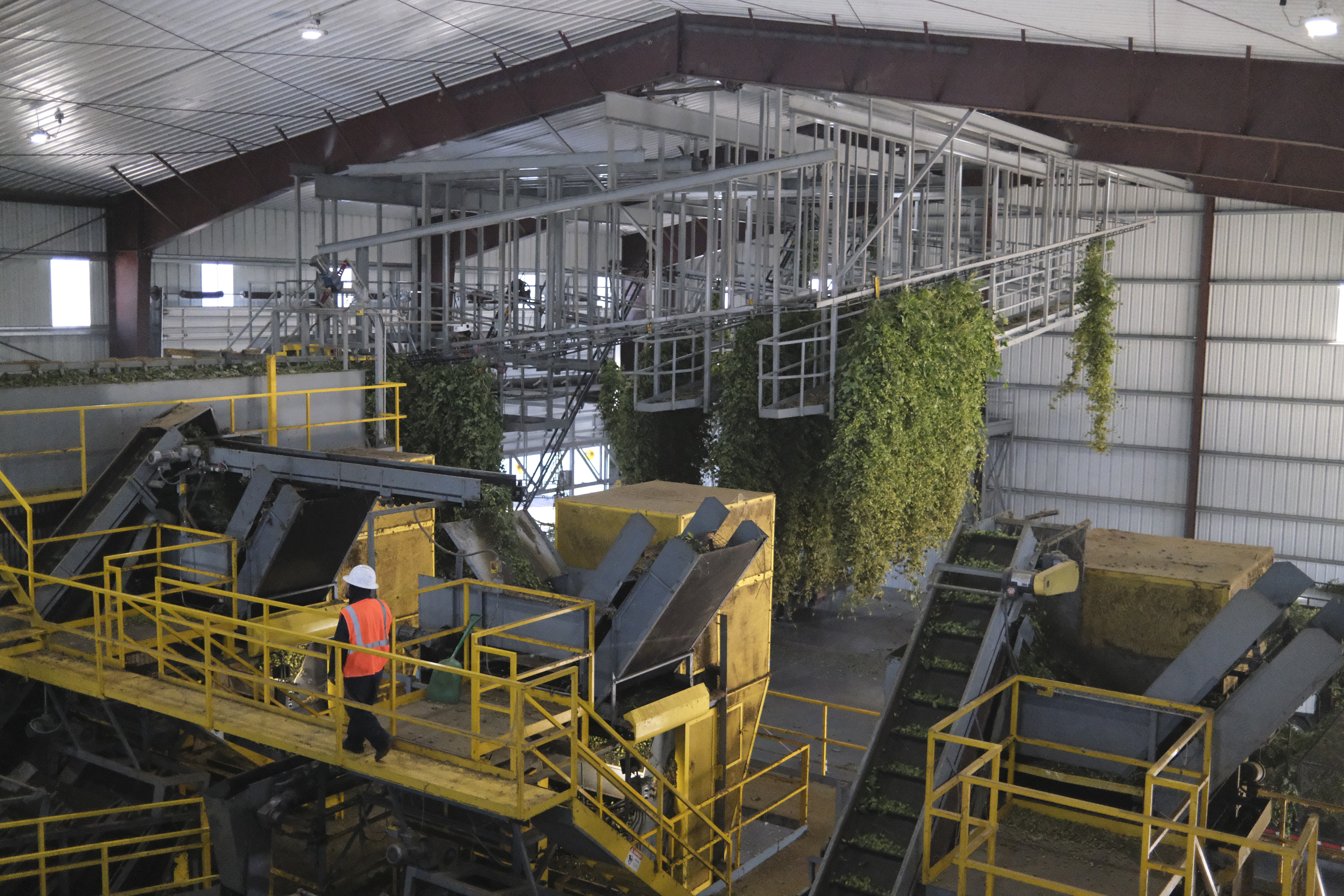
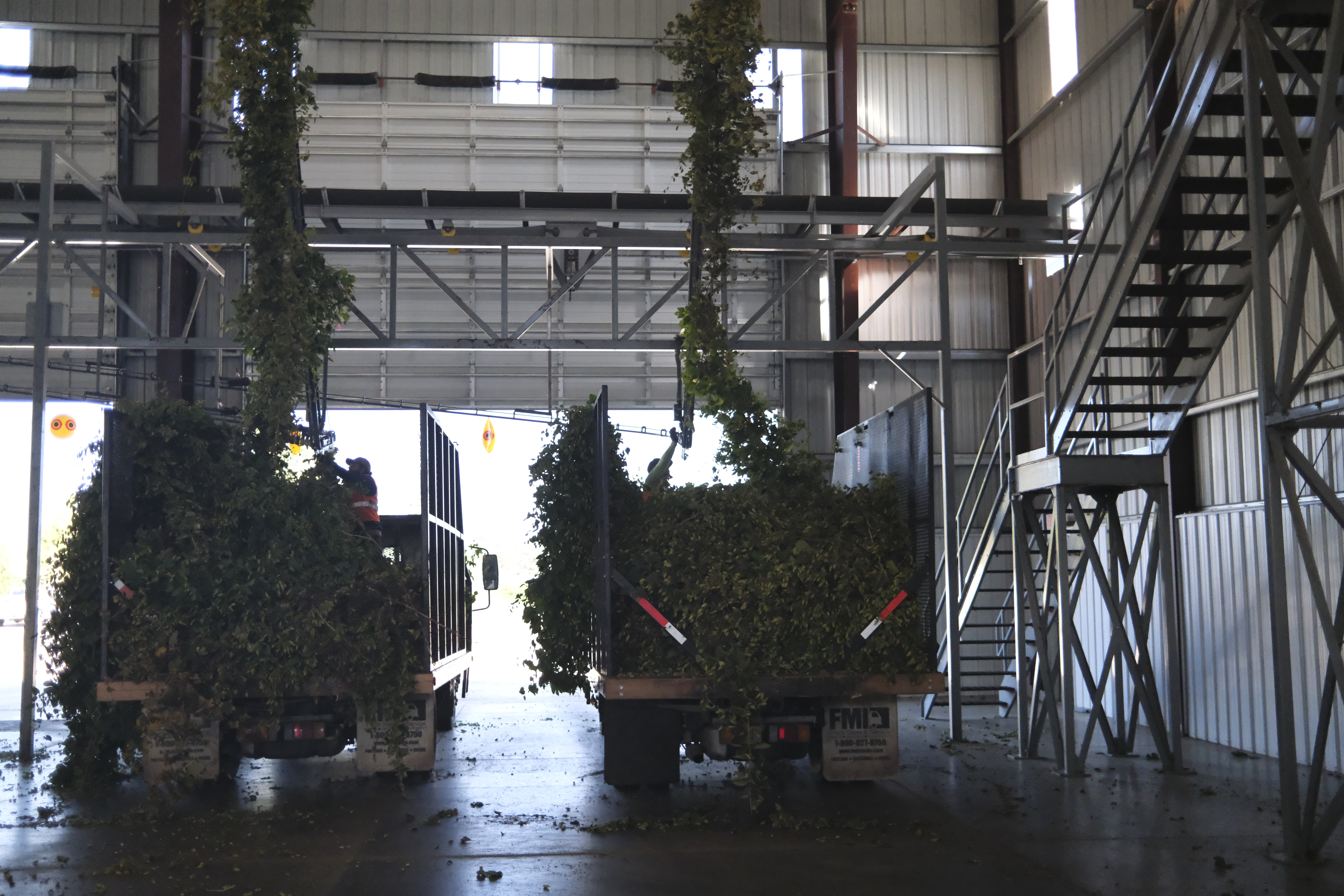
CHRISTINE: It’s primarily beer, but there are small uses in hop ciders and waters, and a growing interest in pharmaceutical applications — hops as sleep aids and antioxidants. But our focus at Crosby is beer. We grow 800 acres of Estate Grown hops and source the rest from independent growers in Oregon, Washington, New Zealand, Germany and the Czech Republic. Everything is processed at our mill.
JOHN: When you say Estate Grown, what do you mean exactly?
CHRISTINE: Estate Grown is a designation we use to indicate a Crosby twist on a hop. We started using it with our Estate Grown Comet, which is one of our punchiest hops. We’ve expanded the program to include Estate Grown Amarillo®, Cascade, Centennial and Chinook, alongside Comet. These are our core hops. They get priority processing and are available post-harvest in October. We also offer no selection minimums to support small and medium brewers.
JOHN: Which must make smaller brewers very happy.
CHRISTINE: Our view is that brewers are artists who need access to ingredients to control their flavor expressions. We want even the smallest craft brewers to be able to compete on quality and flavor.
JOHN: Traditionally, bigger players get first pick. How does Crosby approach this?
CHRISTINE: In traditional markets, large selections come first to meet contract commitments. With our Estate Grown program, we run single-origin lots and facilitate selections for all sizes — small, medium, and large.
JOHN: So how does Crosby fit into Oregon’s Pacific hop ecosystem in terms of size and influence?
CHRISTINE: We are a newer player competing with centuries-old merchants. Crosby entered the market in 2012 when Blake [Crosby] installed a pellet mill. That allowed us to go from farmer to processor to merchant. We’re vertically integrated, the first in Oregon to be so.
JOHN: Heritage brands have legacy and pedigree, but startups bring ideology and innovation. What are you doing to disrupt the industry and make your mark?
CHRISTINE: We opened a European division to bring high-quality hops directly to brewers. Historically, exported hops weren’t always the best. We’re changing that. We also received a patent for our CGX® pellet—more concentrated, better yield, less hop creep. About 25% of our business is now CGX®.
JOHN: How about proprietary hops?
CHRISTINE: Proprietary hops dominate the industry, which is why we’ve started our own breeding program. We currently have two advanced lines out for brewer feedback. It’s still early days, but both are promising in terms of agronomics and flavor.
JOHN: And what’s your twist on public hops?
CHRISTINE: We are a commercial trial grower for the Hop Quality Group (HQG), set up to facilitate collaboration in the industry. HQG members actually fund USDA [U.S. Department of Agriculture] hop breeding programs to develop new public hop varieties. We grew two acres of Thora [editors note: at time of interview still known as HQG4]. We’ll expand to 22 acres next year. It’s a first-mover advantage, not a legal one. It’s a great way to champion public hops.
JOHN: In a hop industry dominated by three heritage behemoths, can Crosby be anything but an underdog?
CHRISTINE: Culturally, we are an underdog. The industry is competitive, especially now with such oversupply. We weren’t oversupplied ourselves, but the main brands were. I’d say we’re scrappy and resourceful, and that resonates with our craft brewing clients.
JOHN: As a scrapy underdog or resourceful disruptor, success often depends on finding leapfrog moments. It feels like CGX® [cryogenically processed lupulin pellet] might be that for Crosby.
CHRISTINE: Possibly. It was developed together with manufacturers to help brewer efficiency and yield. Clients are converting to CGX® because of its solubility and quality. It sets us up for future innovation. We also continue to invest heavily in technology, like our brewer portal which offers spot market and contracting options, inventory management and organizational tools, all to give brewers more choice and flexibility.
JOHN: Having spent fourteen years working in the Oregon wine industry, what has surprised you most about the hop industry?
CHRISTINE: I joined Crosby during a depressed market. Prices were unsustainable. It was hard seeing farms close. This is a small industry, roughly ninety hop families across the Pacific Northwest. That’s how our Estate Grown program was born, from this challenge. We want to offer value beyond price.
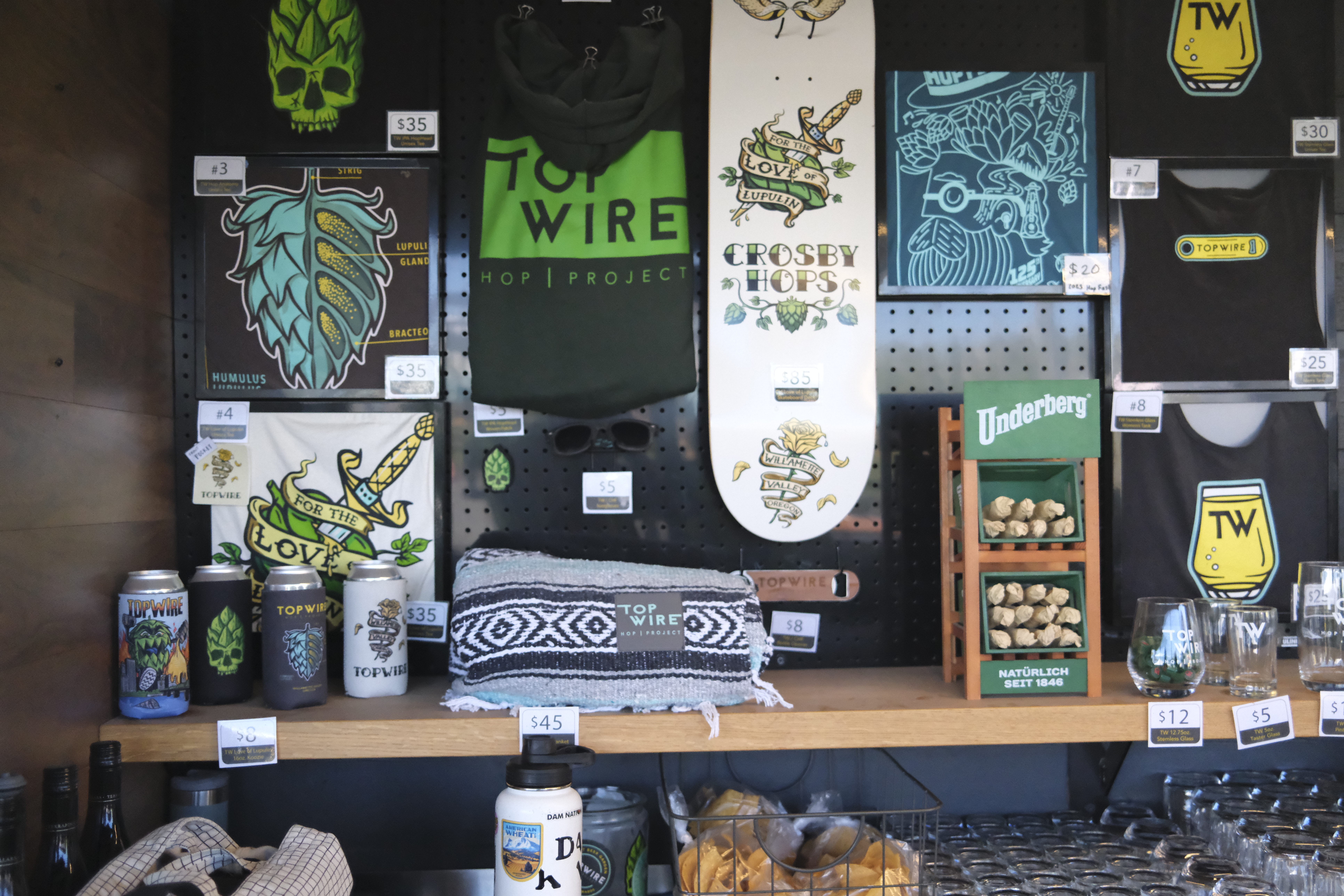
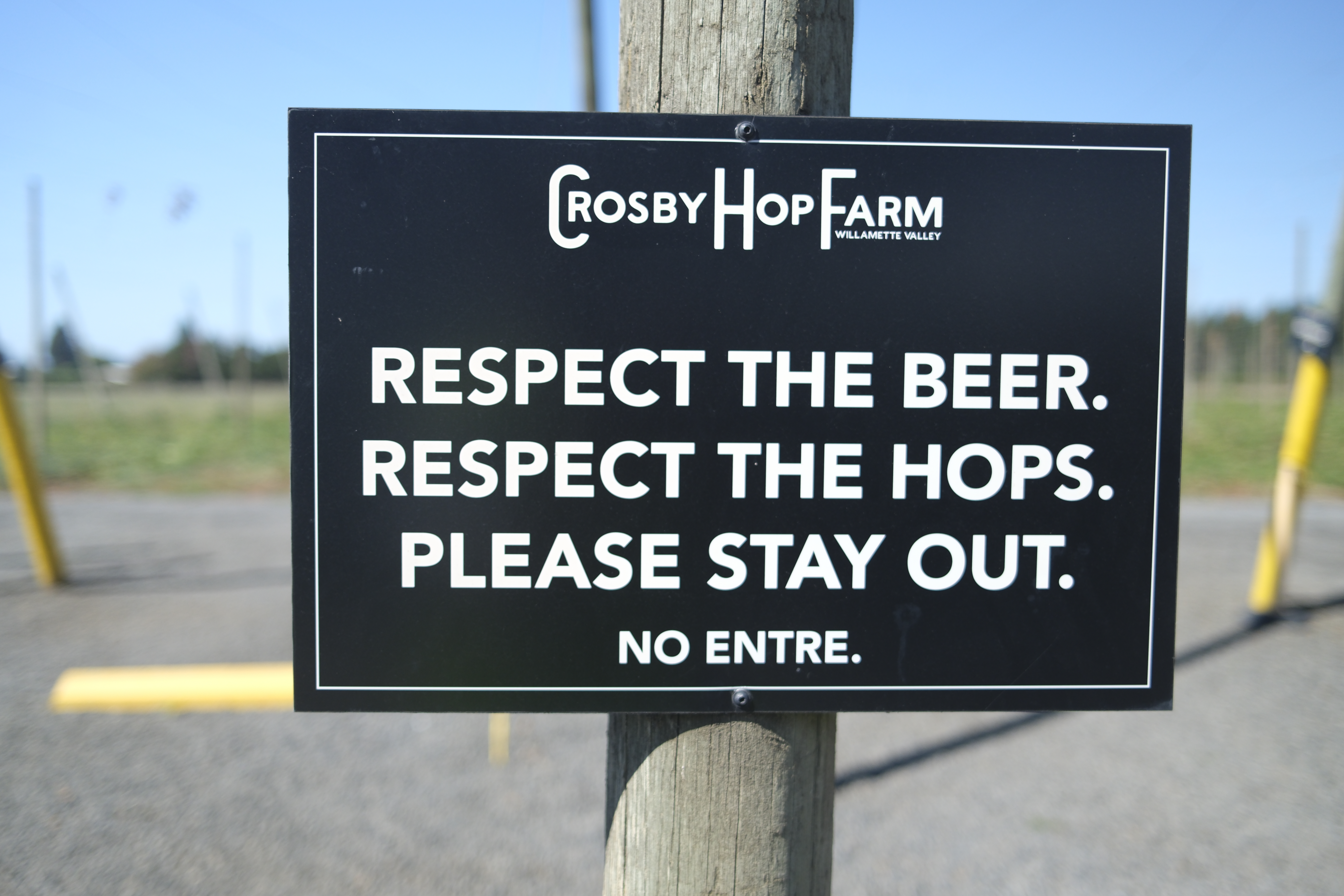
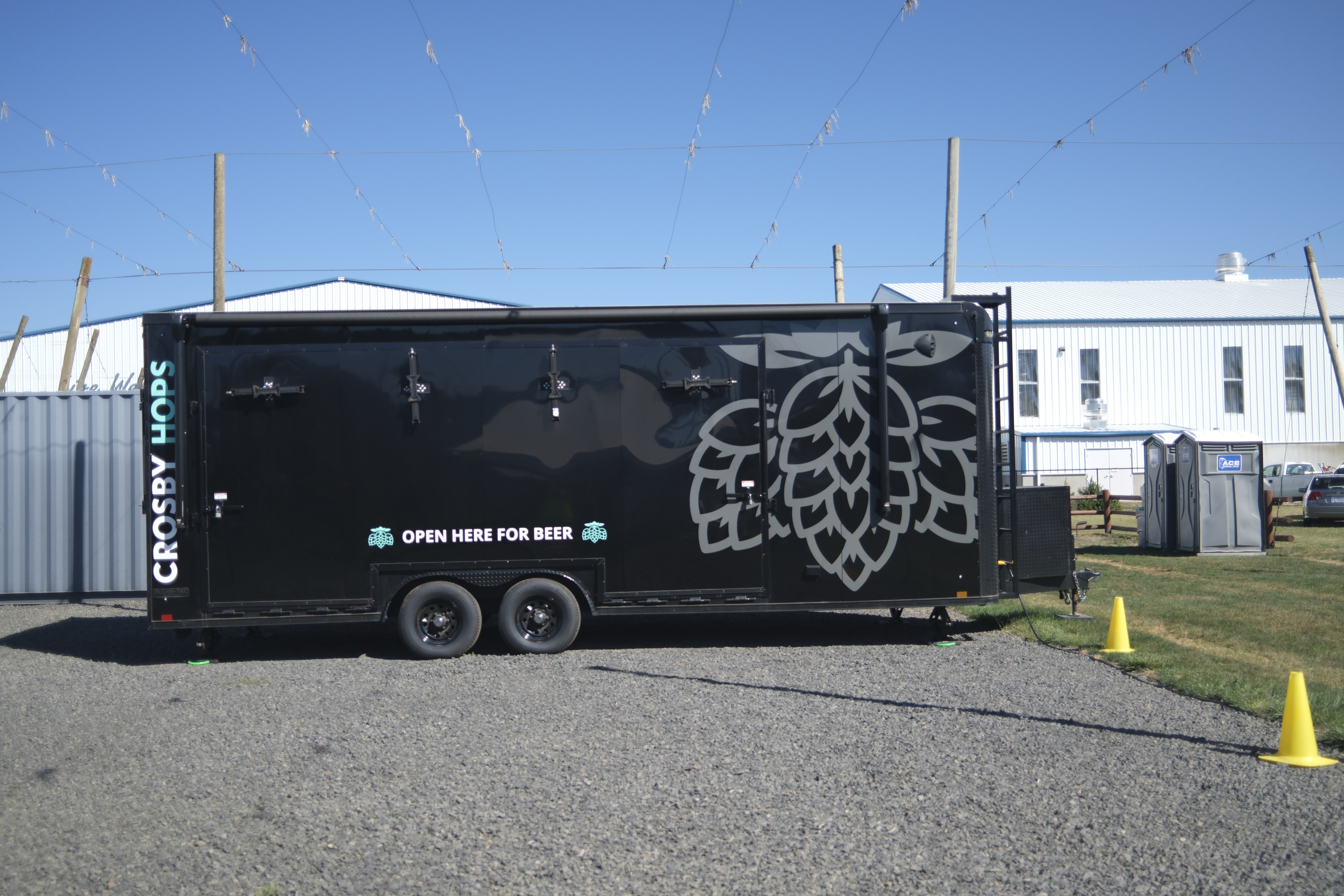
JOHN: It’s sometimes easier to brand a farm than a company. I mean, just look at your TopWire beer garden, it’s become a pilgrimage site for beer lovers, including ourselves. Is being a farm one of Crosby’s advantages?
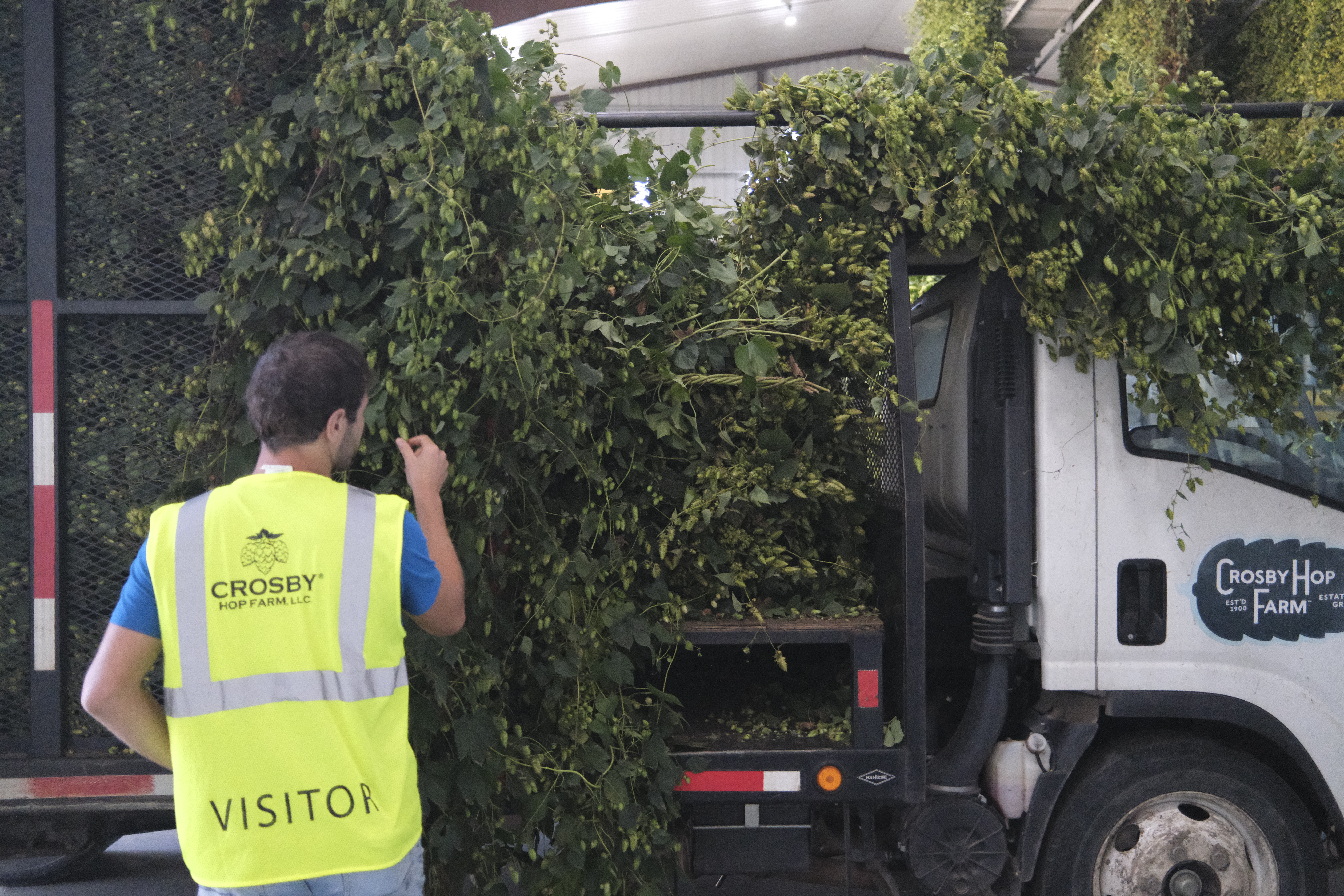
CHRISTINE: It definitely has its advantages. Brewers want to connect with the source. During harvest, we welcome hundreds of brewers to select hops and see the fields. That access builds connection. A good logo and nice merch help, but it starts with being farm-direct. That connection matters.
Helaas, nog even geen toegang voor jou.
We zien je graag weer terug als je 18 bent!
Ben je 18 jaar of ouder?
Niks persoonlijks, je moet gewoon 18 jaar of ouder zijn om onze site te bezoeken. Het is de wet, sorry!